


Achieve Excellence with Open Water Swimming Training
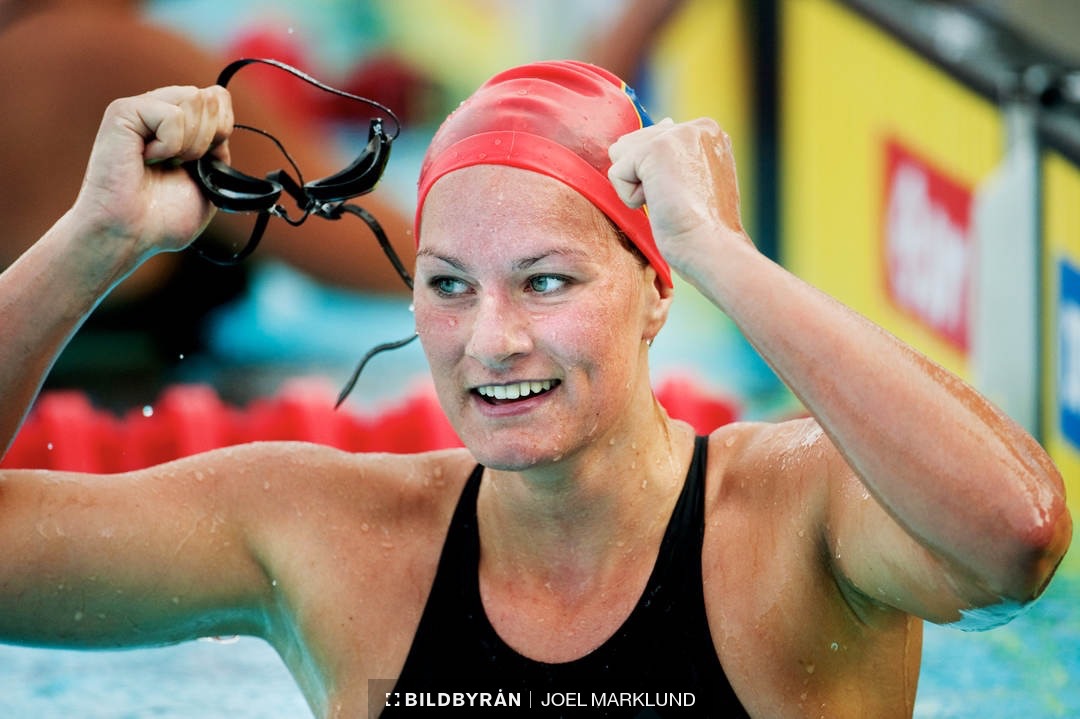

Open water swimming is a thrilling challenge. It pushes your limits and connects you with nature in a way no pool can. But to truly excel, you need more than just passion. You need smart, focused training that prepares you for the unique demands of open water. I’ve seen how the right approach can transform anyone’s swimming, from beginners to elite athletes.
Let me share what I’ve learned about reaching your best in open water swimming. Whether you want to swim longer distances, improve your technique, or feel confident in any water condition, this guide will help you get there.
Why Open Water Swimming Training Matters
Swimming in open water is very different from swimming in a pool. The water is colder, the currents unpredictable, and the visibility limited. You face waves, wind, and sometimes even marine life. Without proper training, these factors can make swimming stressful or even unsafe.
Training specifically for open water helps you:
Build endurance for longer swims
Adapt to changing water conditions
Improve navigation skills to swim straight
Manage breathing with waves and wind
Gain confidence and reduce anxiety
I always recommend swimmers to include open water sessions in their routine. It’s the best way to get used to the environment and develop the skills you need.
One great example is the SwimPro Wetsuit, designed for open water swimmers. It offers excellent buoyancy and flexibility, helping you swim more efficiently and stay warm in cold water. You can check it out here.
Building a Training Plan That Works
A good training plan balances pool work and open water practice. Here’s how I usually structure it:
Pool Training
Pool sessions focus on technique, speed, and endurance. You can control the environment and measure your progress easily. Key drills include:
Breathing drills to improve rhythm and lung capacity
Stroke technique to reduce drag and increase power
Interval training to build speed and stamina
Open Water Sessions
These sessions prepare you for real conditions. Practice in lakes, seas, or rivers when possible. Focus on:
Sighting: lifting your head to spot landmarks without breaking your rhythm
Swimming in groups: to get used to crowded race conditions
Dealing with waves and currents: learning to adjust your stroke and breathing
For beginners, I suggest starting with short swims in calm water and gradually increasing distance and difficulty.
Recovery and Strength Training
Don’t forget rest days and strength work. Core and shoulder exercises improve your swimming posture and power. Stretching helps prevent injuries.
Comparing Two Popular Open Water Training Tools
Choosing the right gear can make a big difference. Let’s look at two products that many swimmers find helpful.
SwimPro Wetsuit
Provides warmth and buoyancy
Flexible neoprene material for freedom of movement
Ideal for cold water swims
Available in various sizes and thicknesses
AquaGlide Swim Buoy
Bright, inflatable buoy for safety and visibility
Can be used for resting during long swims
Lightweight and easy to carry
Helps swimmers feel secure in open water
Both are excellent, but they serve different purposes. The wetsuit helps with performance and comfort, while the swim buoy adds safety and confidence. Many swimmers use both for their training and races.
Tips for Staying Safe and Confident
Open water swimming can be intimidating. Here are some tips to keep you safe and calm:
Always swim with a buddy or group
Use a brightly colored swim cap and buoy for visibility
Check weather and water conditions before swimming
Learn how to handle cramps and fatigue
Practice exiting and entering the water smoothly
I also recommend working with a personal coach who knows open water well. They can tailor your training and give you feedback to improve faster.
How Personal Coaching Can Boost Your Progress
Personal coaching is a game changer. A coach watches your technique, helps you set realistic goals, and keeps you motivated. For example, Una Finnman offers personalized open water swimming training in Stockholm and online. She creates plans that fit your level and goals, whether you’re just starting or aiming for elite races.
You can explore her coaching services here.
Working with a coach means you get support every step of the way. You learn how to swim smarter, not just harder.

Preparing Mentally for Open Water Challenges
Swimming in open water is as much mental as physical. You need to stay calm when the water is cold or choppy. Here’s how to build mental strength:
Visualize your swim before you start
Focus on your breathing to stay relaxed
Break the swim into smaller goals
Celebrate small wins during training
Practice mindfulness or meditation
Confidence grows with experience. The more you train in open water, the more natural it feels.
Final Thoughts on Achieving Excellence
Open water swimming is a rewarding sport that tests your body and mind. With the right training, gear, and mindset, you can reach new levels of performance and enjoyment. Remember to mix pool and open water sessions, use helpful tools like the SwimPro Wetsuit or AquaGlide Swim Buoy, and consider personal coaching to guide your journey.
If you want to take your swimming seriously, start by exploring open water swimming training options that fit your needs. Dive in step by step, and watch your confidence and skills grow.
You’re ready to make waves. Let’s swim!


Comments